







Lean-To Conservatories or Victorian Conservatories – Which is Better?

Lean-To Conservatories or Victorian Conservatories – Which is Better?

Lean to conservatories and Victorian conservatories are arguably the two most popular styles of a conservatory. But which one is better? We will be going through the benefits, difference, and unique qualities of both types of conservatory, discussing how the two compare and possibly finding out which has better value for you.

Lean to conservatories does what it says on the tin, it leans against your property, sporting a more streamlined shape that minimises the amount of exterior space it takes up, whilst still providing your property the extra living space for your interior. Effectively giving you the extra room, without losing much of your garden space. Due to its low-pitched roof, it is a perfect extension for homes with height restrictions and can also be tailored to fit into more awkward spots around the house, such as the side as opposed to facing the back garden. This allows for a fairly flexible conservatory that not only has a versatile fit but also does not compromise on aesthetics or performance.

Because of its flexible shape and ability to take up less outside space as it gives more inside space, lean to conservatories are quite the cost-effective option for homeowners looking to renew their property with an extension that can be utilised as a new room, such as a home gym, a new dining area or perhaps even a playroom for the younger ones.
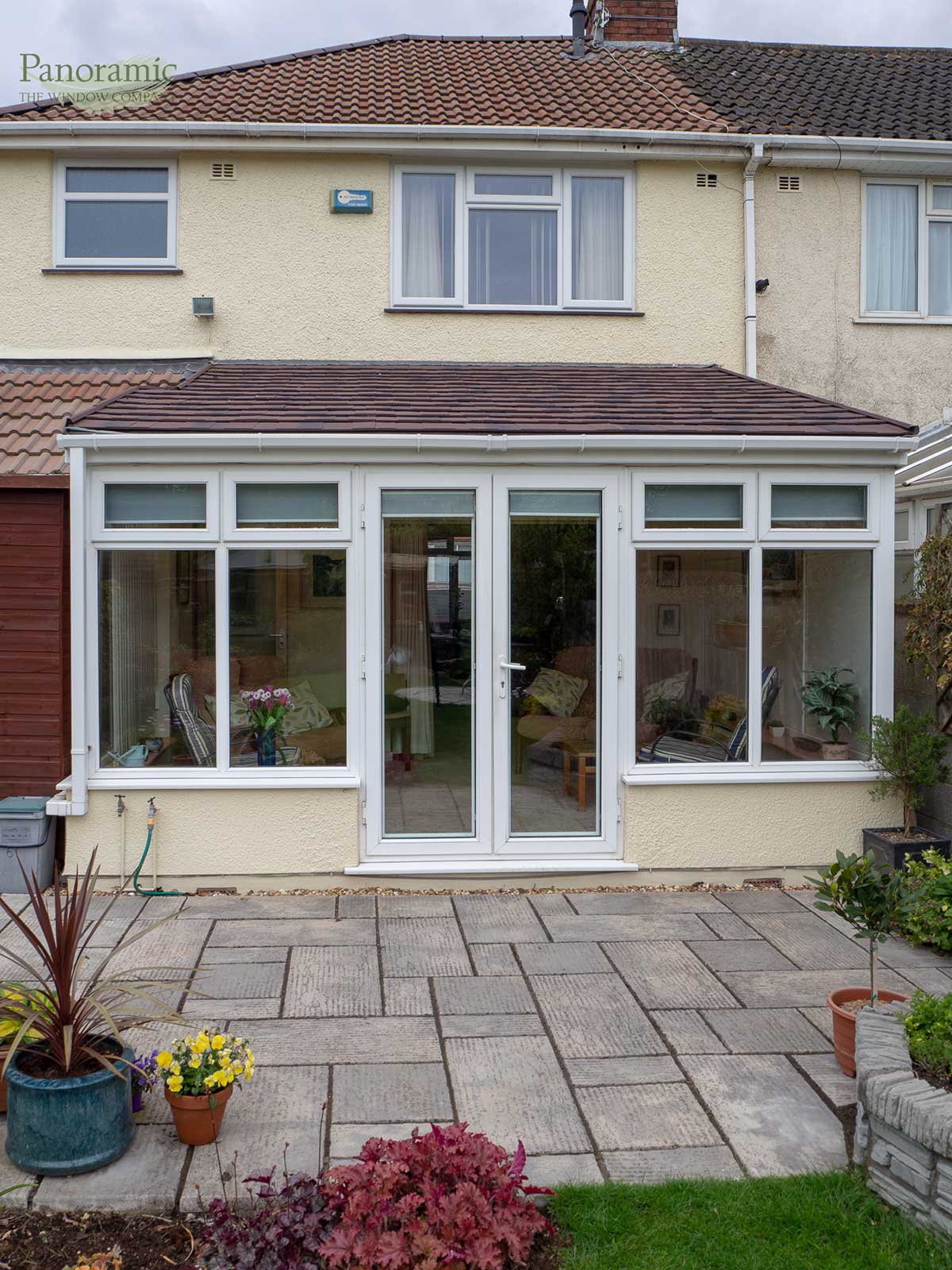
Conservatories French Doors

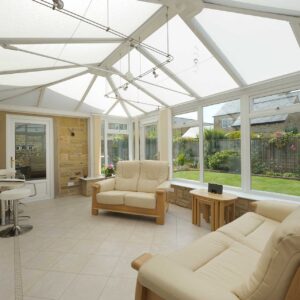
A Victorian conservatory on the other hand is arguably one of the most famous and enduring designs of conservatories. With its iconic apex roof and rounded bayfront, a Victorian conservatory has a timeless design that is just as compatible with the aesthetic of any home. Granting a spacious interior, you certainly will not be limited with what you can do inside. Perfect for those who want to incorporate a wide dining area that is adjacent to the kitchen, or perhaps a secondary living room with a sofa and television, so that you can sit down and relax as you use your beautiful back garden as a serene backdrop.

It is easily recognisable for its shape and style for a reason. This design is undoubtedly a popular choice for homeowners looking to expand their home with more interior space, enjoying a new purposed room whilst being able to enjoy their garden from afar. A Victorian conservatory can create a seamless transition from the kitchen to a new dining area and even into the garden, enhancing both the inside and outside experience of your home.

conservatories lydney

Both Victorian and Lean to conservatories are also highly customisable, available with a multitude of hardware and style options. One example is how you can choose what type of roof you want for your conservatory. We offer market-leading conservatory replacement roofs that can improve the look and performance of your conservatory. Our lightweight tiled conservatory roofs are a perfect choice for those who want a resilient roof to protect against the harsh weather, whilst reducing pressure on the frames and foundation of your Victorian or Lean to conservatory. It will comply with current planning and building regulatory standards – so you won’t need to worry about unforeseen problems later on.

We also offer glass conservatory roofs for those who want the let the natural sunlight shine through into the interior illuminating your conservatory. Utilising lower U-values, these glass conservatory roofs act as amazing insulators that keep the cold air out and keep the heat in. This means that you can enjoy a warm and cosy interior no matter what time of the year it is. You can also rely less on the central heating, meaning you save money on the energy bill whilst you stay warm inside.

Our Victorian and Lean to conservatories are also available in multiple materials that will ensure your choice of conservatory will stand the test of time as it resists heavy rains and strong winds. Such materials are aluminium, uPVC, and timber. Timber builds are perfect for making your Lean to or Victorian conservatory attain that classic and authentic look that will no doubt be the envy of family and friends alike. Whereas uPVC and aluminium can be coloured and foiled, creating a much more unique look that either matches the style of your home or enhances it with its own aesthetic. We are a Kitemark Approved installer and a member of the Assure Certification Scheme, which means the quality of our work is independently audited. When you choose our range, you’ll be buying a product that comes complete with a manufacturer’s guarantee for your peace of mind.

A Victorian conservatory sports a timeless design that is compatible with any home, whilst Lean to conservatories functionality and practicality offers all the benefits of a conservatory with much less of the hassle. Whatever your choice, both can be easily customised and improved with our select hardware and style options that will make your conservatory of choice even better.

If you’d like to know more, you are welcome to get in touch. You can email us at sales@panoramicwindows.co.uk and one of our expert staff will be in touch. You can also get a free online quote. We can’t wait to hear from you.
Latest News

Is Your Period Home Losing Heat? Why October is the Month to Switch to Energy-Efficient Sash Windows

It is that time of the year where the colder evenings are drawing closer and the unavoidable moment of switching on your central heating is near.  But as you turn your heating on, a feeling of disappointment immediately follows as the warmth quickly vanishes and you feel a ghostly draft chilling your beautiful, historic home. This coldness is common in charming period properties, particularly due to sash windows being the culprit. Whilst sash windows add an aesthetic value, original single glazed sashes are the reason for losing huge amounts of heat loss. At Panoramic Windows, we have the perfect solution. One that means you don’t have to choose between period character and modern comfort.  October is a critical month to upgrade, so you can secure warmth before the deep winter cold sets in. The Great Escape: A Cold Hard Look at Old Sashes In October, the shock of immediate winter bills begins. According to the BBC, UK energy bills are about 50% higher than pre-Covid levels.  The heat in your home can escape through inefficient windows and doors, so it is important that you upgrade in time for the winter temperature drop. To distinguish how your home is losing heat, we recommend that you start by finding the symptoms of a heat-leaking window. These can include: ratting when it is windy, excessive condensation and mould build up, and having to turn the thermostat up just to feel comfortable.  Replacing your inefficient windows is important, especially in October. If you are unsure if your windows are performing well, contact us and we will be happy to provide you with some expert advice.  The Panoramic Solution: Performance that Preserves Here at Panoramic Windows, we provide sash windows that are specifically designed to look authentic while delivering top-tier performance. They feature slim sightlines, traditional run-through horns, deep bottom rails and authentic hardware to match. Maintaining their period charm, they are approved for use in conservation areas in Bristol and Bath. Supplied by Roseview, our sash windows feature high performance double or triple glazing and achieve excellent U-values compared to old single-pane glass.  High quality uPVC and timber materials are also available and our windows are even A-rated for energy efficiency, guaranteeing a reduction in heat loss.  Why October is the Deadline, Not Just a Date Beat the winter rush and get your sash window project started. Our installation teams get booked solid as winter approaches, so October is your perfect opportunity to get ahead. Upgrade your sash windows now and enjoy a warm, cosy and quiet home for the entire winter season. You will enjoy the added benefits of advanced security and reduced maintenance. Claim your Warmth and Choose Panoramic Windows Today Stop feeding your heating bills to the frosty air. Upgrade to Panoramic’s modern sash windows for the perfect, long-term solution. Get your free, online quote or contact us for more information today.  Alternatively, book an appointment and bring your vision to life with Panoramic Windows. { "@context": "https://schema.org", "@type": "Article", "mainEntityOfPage": { "@type": "WebPage", "@id": "https://www.panoramicwindows.co.uk/Latest-News/is-your-period-home-losing-heat-why-october-is-the-month-to-switch-to-energy-efficient-sash-windows" }, "headline": "Is Your Period Home Losing Heat? Why October is the Month to Switch to Energy-Efficient Sash Windows", "description": "This article discusses why homeowners should upgrade to sash windows for their period homes with Panoramic Windows.", "image": "https://www.panoramicwindows.co.uk/app/uploads/2025/10/sash-windows-panoramic-800x600.jpg", "author": { "@type": "Organization", "name": "Panoramic Windows", "url": "https://www.panoramicwindows.co.uk/" }, "publisher": { "@type": "Organization", "name": "Panoramic Windows", "logo": { "@type": "ImageObject", "url": "https://sunflexuk.co.uk/wp-content/uploads/2020/11/Panoramic-Logo.jpg" } }, "datePublished": "2025-10-08", "dateModified": "2025-10-08" }
READ MORE

The Ultimate Cleaning Guide for uPVC Doors and Windows

uPVC doors and windows are a popular choice for homeowners due to their durability, energy efficiency, and low maintenance requirements. However, like any other part of your home, they need periodic cleaning to maintain their appearance and functionality. In this guide, we’ll explore how to clean uPVC doors and windows effectively, ensuring they look fresh and bright for years to come. The Importance of Cleaning uPVC Windows and Doors Over time, dirt, grime, and environmental pollutants can accumulate on uPVC surfaces, leading to discolouration and a dull appearance. Regular cleaning not only enhances the visual appeal of your home but also helps to prolong the lifespan of your windows and doors. By keeping them clean, you can prevent the build-up of mould and mildew, which can cause damage if left unchecked. How Often Should You Clean Your uPVC Windows and Doors? The frequency of cleaning will depend on your location and the surrounding environment. If you live in a coastal area, you may need to clean your uPVC more often due to salt and sand. Generally, a good rule of thumb is to clean your windows and doors at least twice a year. However, if you notice significant dirt build-up or have just faced extreme weather conditions, it’s wise to give them a clean. Essential Cleaning Supplies Before you start cleaning, gather the following materials: A soft cloth or sponge A bucket Mild detergent or a dedicated uPVC cleaner Warm water A soft brush (for stubborn dirt) A vacuum cleaner with a brush attachment (optional) A squeegee (for glass cleaning) Step-by-Step Process: How to Clean uPVC Doors and Windows 1. Prepare the Area Start by removing any loose dirt or debris from the window frames and sills. You can use a vacuum cleaner with a brush attachment or a soft brush to gently sweep away dust and dirt. This step is crucial as it prevents scratching the uPVC surface during the cleaning process. 2. Mix Your Cleaning Solution In a bucket, mix warm water with a few drops of mild detergent or a dedicated uPVC cleaner. Avoid using harsh chemicals, bleach, or abrasive cleaners, as these can scratch and damage the surface of your uPVC. Creating scratches will make cleaning harder in the future, creating grooves for dirt to collect in. 3. Clean the Frames and Sills Dip your soft cloth or sponge into the cleaning solution and wring it out to avoid excess water. Start cleaning the frames and sills, working from the top down to prevent dirty water from running onto clean areas. Use a soft brush for any stubborn dirt or grime that doesn’t come off easily. 4. Rinse Thoroughly After cleaning, rinse the frames and sills with clean water to remove any soap residue. This step is important as leftover detergent can attract dirt and lead to a dull appearance. 5. Clean the Glass For the glass panes, use a separate cloth or sponge with the mild detergent solution or a dedicated glass cleaner. Wipe the glass in a circular motion to remove any smudges or streaks. For a streak-free finish, you can use a squeegee to wipe down the glass after cleaning. 6. Dry the Surfaces Once you’ve cleaned the frames, sills, and glass, use a dry, soft cloth to wipe down all surfaces. This will help prevent water spots and ensure a polished look. 7. Establish a Regular Maintenance Routine To keep your uPVC doors and windows looking their best, consider a regular maintenance routine. Dusting the frames and sills every few weeks can help prevent dirt build-up. Additionally, check for any signs of wear or damage, such as discolouration or cracks, and address these issues promptly. Tips for Maintaining uPVC Windows and Doors Avoid Abrasive Materials Always use soft cloths and sponges to prevent scratching the surface of your uPVC.  Use Dedicated Cleaners If you would rather use a cleaner that will guarantee a damage-free clean, look for cleaners designed for uPVC surfaces and glass to ensure compatibility.  Check Seals and Hardware While cleaning, take a moment to inspect the seals and hardware for any signs of wear. Keeping these in good condition is essential for the overall performance of your windows and doors. A damaged or faulty seal can let in water and draughts, risking condensation and mould affecting your window or door.  Address Stains Promptly If you notice any stains, such as from bird droppings or tree sap, clean them as soon as possible to prevent permanent damage. Get Started with Your uPVC Cleaning Today! Cleaning your uPVC doors and windows is a straightforward task that can significantly enhance the appearance and longevity of your home’s features. By following the steps outlined above and maintaining a regular cleaning schedule, you can ensure that your uPVC remains bright and fresh for years to come. If you’re considering upgrading your windows or doors, we offer a wide range of high-quality uPVC products designed to enhance your home’s energy efficiency and aesthetic appeal. Use our free online quoting engine today to get a quote, or reach out to our team for more information!
READ MORE

Orangeries vs Conservatories

When it comes to enhancing your living space, two popular options often come to mind: orangeries and conservatories. Both provide a unique way to bring natural light into your home and create a beautiful space for relaxation or entertaining. However, they have distinct characteristics that may influence your choice. In this guide, we’ll explore the differences between orangeries and conservatories, helping you decide which option best suits your needs. Exploring Orangeries Orangeries have a rich history, originally designed in the 16th century as structures to protect citrus trees during the colder months. Today, they serve as elegant extensions of homes, combining the benefits of both a traditional extension and a conservatory. Key Features of Orangeries Structure Orangeries typically feature a solid brick base with large glass windows and a flat or mansard roof, often topped with a glazed lantern. This design allows for plenty of natural light while providing a more solid and robust feel compared to conservatories. Insulation One of the standout benefits of an orangery is its superior insulation. The combination of brick and glass means that orangeries can be used year-round, maintaining a comfortable temperature regardless of the season. Aesthetic Appeal Orangeries complement period homes beautifully, enhancing their architectural style. They can be designed to match the existing features of your home, making them a seamless addition. Versatility These spaces can serve multiple purposes, from a sunlit dining area to a tranquil reading nook or even a home office. The solid structure allows for more flexibility in how you choose to use the space. Discovering Conservatories Conservatories, on the other hand, are primarily glass structures designed to bring the outdoors inside. Like orangeries, they originally housed plants, protecting tropical plants from the chilly and unpredictable temperatures of England. They gained popularity in the 19th century and have since evolved into stylish extensions that can enhance any home. Key Features of Conservatories Structure Conservatories are predominantly made of glass, with a pitched roof that allows for maximum sunlight. They typically have a lower brick base, with at least 50% of the walls and 75% of the roof being glass. Cost-Effectiveness Generally, conservatories are more affordable than orangeries. Their simpler design and construction can make them a quicker and less expensive option for homeowners looking to add space. Light and Airiness The extensive use of glass in conservatories creates a bright and airy atmosphere, making them ideal for enjoying the garden views. Our stunning conservatories are constructed with slim sightlines, offering stunning panoramic views. They can be a perfect spot for plants, as they can mimic a greenhouse environment. Seasonal Use While modern conservatories can be equipped with heating and cooling systems, they may not retain heat as effectively as orangeries. This can limit their use during colder months unless additional heating solutions are implemented. Comparing Orangeries and Conservatories Design and Aesthetics Orangeries offer a more traditional and elegant look, often blending seamlessly with older homes. Their solid structure provides a sense of permanence and grandeur. Conservatories tend to have a more modern and open feel, ideal for contemporary homes. Their glass-heavy design creates a bright space that feels connected to the outdoors. Functionality Orangeries are a versatile space to suit any weather. Offering high-performance insulation, they can be used throughout the year, making them suitable for various activities regardless of the season. Conservatories are best enjoyed in warmer months. With no brick base to keep out the sunlight, they can become too hot in summer and too cold in winter without proper heating or cooling. However, designs with premium double glazing, which you’ll find in all Panoramic conservatories, keep the temperature even and regulated.  Cost and Installation Orangeries are typically more expensive due to their solid construction and materials. They may also require planning permission, depending on local regulations. Conservatories are generally more budget-friendly and easier to set up, often exempt from planning permission if they meet certain criteria. Energy Efficiency The brick walls of orangeries provide better insulation, making them more energy-efficient and comfortable year-round. While modern designs can be energy-efficient, they may still be less effective with heat retention compared to orangeries. Making Your Decision When deciding between an orangery and a conservatory, consider the following factors: Purpose Think about how you plan to use the space. If you want a year-round living area, an orangery may be the better choice. If you’re looking for a seasonal retreat, a conservatory could be ideal. Budget Assess your budget and consider the long-term investment. Orangeries may cost more upfront but can add significant value to your home. Style Consider the architectural style of your home. An orangery may suit a period property better, while a conservatory might complement a modern design. With customisation options, you can tailor any design to perfectly complement your home.  Choose a New Home Extension from Panoramic Both orangeries and conservatories offer unique benefits and can enhance your living space in different ways. Whether you prefer the solid elegance of an orangery or the bright openness of a conservatory, we can help you create the perfect extension for your home. Our designs are fully customisable, letting you create an extension that enhances any property.  If you’re ready to explore your extension options with Panoramic, use our free online quoting engine today for a bespoke quote. We’d love to help you bring your vision to life!
READ MORE

© 2025 Panoramic - The Window Company

Home

Contact Us

Online Quote